
Landscaping is the planning, design, and modification of outdoor spaces to improve their appearance, functionality, and environmental quality. It involves arranging natural and built elements such as plants, trees, lawns, pathways, water features, lighting, and outdoor structures to create attractive and usable environments.
Landscaping can be applied in:
Residential homes
Hotels and resorts
Parks and gardens
Commercial buildings
Institutional compounds
Tourist facilities and eco-lodges
Main Components of Landscaping
Soft Landscaping
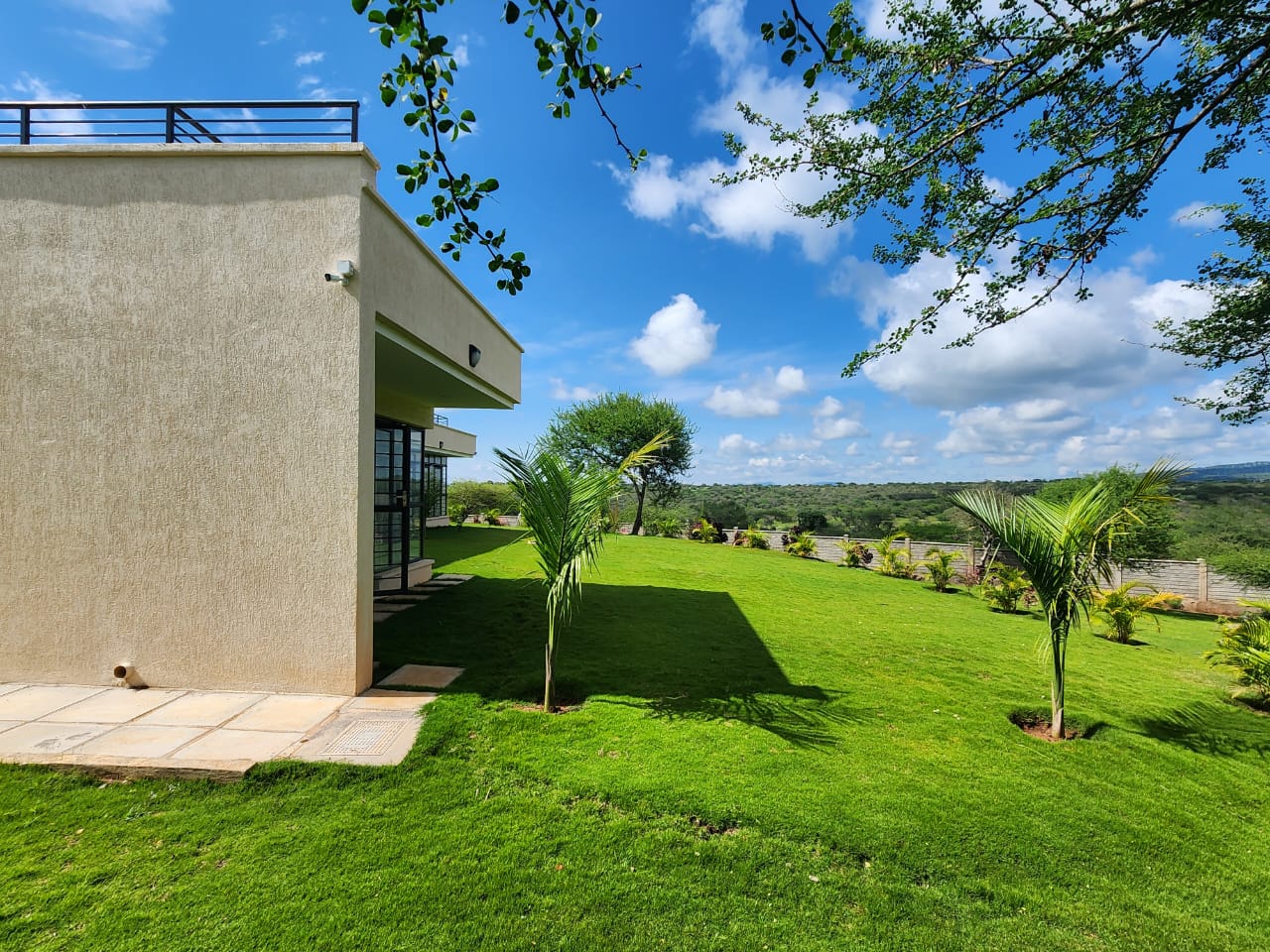
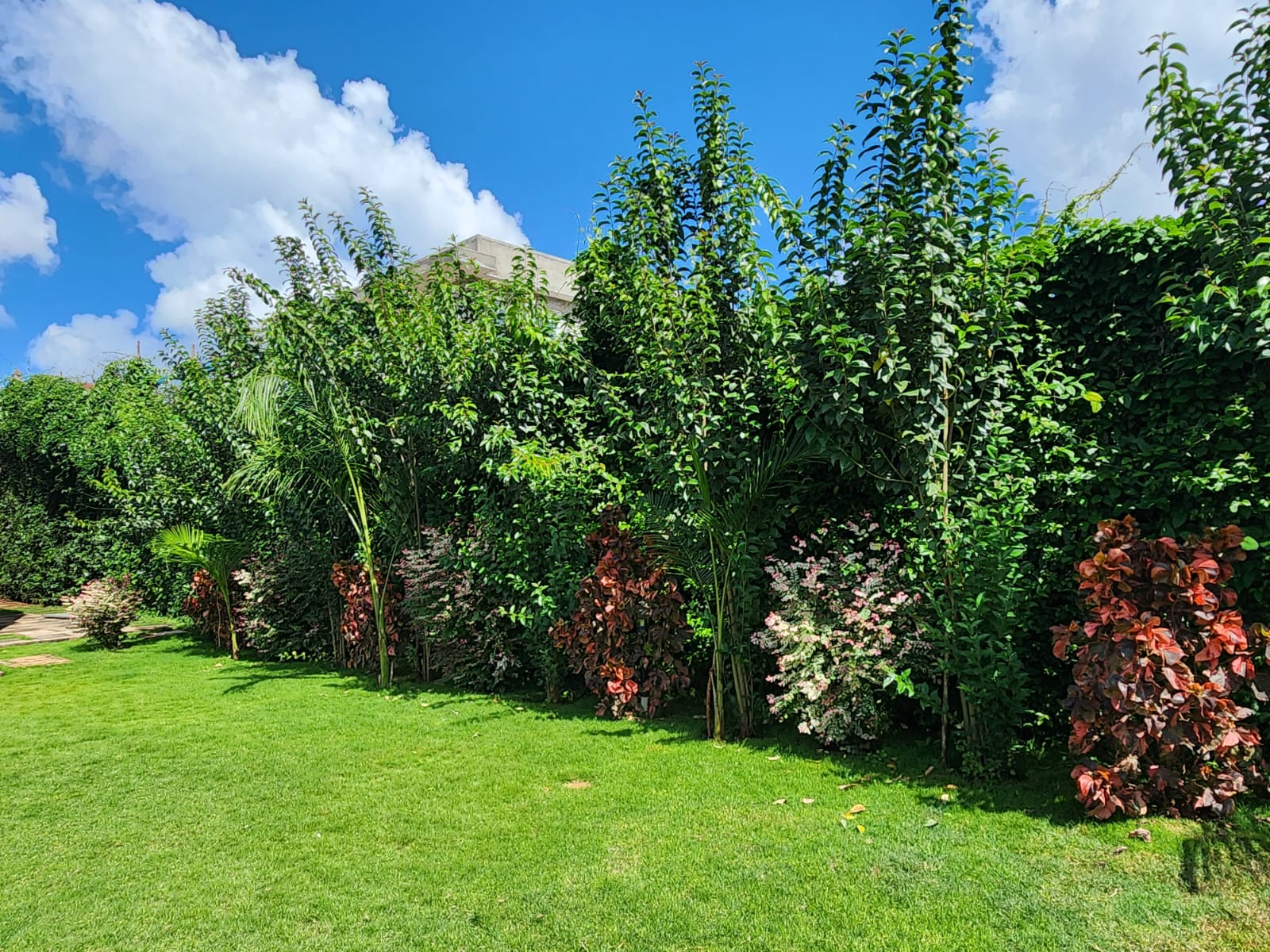
Living elements
Living elements such as:
Trees
Shrubs
Flowers
Grass and lawns
Hedges
Hard Landscaping
Non-living constructed features such as:
Pavements and walkways
Retaining walls
Pergolas and gazebos
Fountains
Outdoor seating areas
Stone and timber features
Importance of Landscaping
Enhances beauty and property value
Creates comfortable outdoor living spaces
Improves environmental quality
Controls soil erosion and dust
Provides shade and cooling
Supports tourism and recreation
Promotes relaxation and wellbeing
Example
For an Airbnb development near Maasai Mara, landscaping may include:
Indigenous plants and acacia trees
Stone pathways
Outdoor fire pits
Viewing decks facing the savannah
Water features and eco-gardens
Natural grass lawns and shaded seating areas